The 60-second verdict
Phone-call recording is not a single yes-or-no legal question. The answer depends on who is recording, why, whose information is captured, how people are informed, which sector rules apply and what happens to the audio afterwards.
Use this guide when: the recording purpose, authority, participants, access and retention can be defined. Pause when: any of those controls is unclear.
Evidence basis and limits
- Decision factors covered: The purpose → authority → notice → capture → lifecycle framework; Stage 1: Define every purpose; Test necessity and proportionality.
- Evidence rule: Claims are weighted by consequence: capture failure, changed meaning, access and recovery matter more than polished wording.
- Boundary: This is practical information, not legal advice. Verify current ICO guidance, sector rules, contracts and organisational policy for the real use case.
This guide provides a practical UK-oriented checklist for organisations considering AI phone call recording. It is not legal advice. High-risk, regulated or unusual use cases should be reviewed by the organisation’s data-protection, compliance or legal specialists.
The purpose → authority → notice → capture → lifecycle framework
| Stage | Compliance question | Required output |
|---|---|---|
| Purpose | Why is recording necessary and what will the data be used for? | Specific processing purpose |
| Authority | Which lawful basis, PECR rule, sector duty or policy supports the activity? | Documented justification |
| Notice | What must callers, staff and other people be told? | Clear privacy information |
| Capture | How will recording, transcription and access operate securely? | Controlled technical workflow |
| Lifecycle | How are accuracy, rights, retention, sharing and deletion managed? | Governed record system |
Do not buy or deploy the hardware before these five stages have owners and evidence.
Stage 1: Define every purpose
Common purposes include:
- Creating service or client records.
- Quality assurance and staff coaching.
- Evidence of transactions or instructions.
- Meeting a regulatory duty.
- Accessibility or note-taking support.
- Research or interview transcription.
- Sales administration.
- Fraud, complaints or dispute handling.
Each purpose may require a different lawful basis, notice, access group and retention period. “For training and monitoring” is often too broad to govern the whole lifecycle.
Test necessity and proportionality
Ask:
- What problem does full audio solve?
- Could a call log, written note or selective recording achieve it?
- Does the call contain information beyond the stated need?
- Could sensitive sections be paused or excluded?
- What harm could arise from misuse, error or disclosure?
The ICO repeatedly emphasises clear purpose and less intrusive alternatives in its recording and monitoring guidance.
Stage 2: Identify the legal and policy authority
Personal information requires an appropriate lawful basis under UK data-protection law. The ICO says the basis should be selected and documented before processing begins. See the current ICO lawful-basis guide.
Depending on the activity, also check:
- PECR for direct-marketing and certain electronic communications.
- Employment and worker-monitoring requirements.
- Financial, legal, health, education or other sector rules.
- Contractual confidentiality.
- Professional standards.
- Research ethics and participant information.
- Internal information-governance and security policy.
- Rules in other countries where callers or processing are located.
Do not assume consent is always the correct lawful basis, or that a contract automatically justifies recording every call.
Marketing calls require a separate PECR check
Live and automated marketing calls have specific rules. Organisations should identify whether the communication counts as direct marketing, check the current TPS or CTPS and objection rules where applicable, display or provide required caller information and honour opt-outs.
Use the ICO’s current guidance on live marketing calls. Recording compliance does not make an unlawful marketing call lawful.
Worker monitoring needs its own assessment
Recording customer or client calls may also monitor employees. Define:
- The worker-facing purpose.
- Whether monitoring is continuous or sampled.
- Who reviews calls.
- How performance decisions are made.
- Whether special-category information may be inferred.
- How long worker-linked recordings and scores are retained.
- How staff can challenge errors.
The ICO’s worker-monitoring guidance stresses purpose, transparency, proportionality and consideration of less intrusive methods.
Assess sensitive information before capture
| Possible call content | Additional concern |
|---|---|
| Health, disability, religion or ethnicity | Special-category condition and stronger safeguards |
| Alleged offences or criminal records | Additional processing condition |
| Payment and authentication data | Secure exclusion or approved payment route |
| Children or vulnerable people | Fairness, accessibility and safeguarding |
| Legal or professional advice | Privilege, confidentiality and professional controls |
| Third-party information | Minimisation and disclosure risk |
Design pause, redaction and escalation processes before the first call.
Stage 3: Create layered privacy information
The person should receive clear information about:
- Who is recording.
- The principal purposes.
- The lawful basis where required in full privacy information.
- Recipients or processing providers.
- Retention or how it is determined.
- Relevant rights and how to exercise them.
- Where to obtain the complete privacy notice.
The ICO’s right-to-be-informed guidance expects privacy information to be concise, transparent, accessible and written in clear language.
Decide when the notice is delivered
Possible layers include:
- Pre-call booking or contract information.
- Website or privacy notice.
- Automated opening message.
- Verbal reminder by the caller.
- Written follow-up for more detailed information.
The timing must allow the person to understand the recording before substantive personal information is captured.
Stage 4: Map the technical capture chain
Document:
- Phone and operating system.
- Recording mode and supported call types.
- Local storage location.
- Sync or upload behaviour.
- Transcription and AI provider.
- Sub-processors and processing locations.
- User accounts and access controls.
- Export formats and destinations.
- Backups and deletion behaviour.
- Logging, incident response and service changes.
Do not assume “stored locally” means no cloud processing occurs after transcription begins.
Test compatibility and failure modes
Before operational use, test:
- Inbound and outbound calls.
- Speakerphone, handset and headset use.
- Conference and internet-based calls.
- Call waiting and transfer.
- Recording indicators and start or stop behaviour.
- Audio quality for both speakers.
- Interrupted sync and low storage.
- Incorrect speaker separation.
- Export and deletion.
Create a manual note fallback. A missing recording must not prevent an urgent service, complaint or safeguarding action from being documented.
Secure the account and files
- Use organisation-controlled accounts.
- Apply multifactor authentication where available.
- Restrict access by role.
- Remove former staff promptly.
- Avoid personal email and messaging.
- Use approved devices and updates.
- Log exports and sharing where proportionate.
- Keep payment and credentials out of recordings.
Stage 5: Govern the complete lifecycle
Audio, transcript, AI summary and formal record are different data assets. Define for each:
| Lifecycle field | Decision required |
|---|---|
| Owner | Which team controls it? |
| Access | Which roles need it? |
| Accuracy | Who verifies it and how? |
| Use | Which approved purposes apply? |
| Sharing | Which recipients and safeguards? |
| Retention | How long and why? |
| Rights | How are access and correction handled? |
| Deletion | How are local, cloud, backup and exported copies addressed? |
Verify transcripts before operational use
Check:
- Speaker identity.
- Names and reference numbers.
- Dates, times and amounts.
- Negation and qualification.
- Professional or technical terminology.
- Whether a proposal became an agreement.
- Whether the AI added an unsupported action or conclusion.
Mark automated output as unverified until review is complete.
Plan for individual rights and disputes
Recorded calls may be relevant to access, correction, restriction, objection, complaint and litigation processes. The organisation should be able to locate recordings by suitable identifiers without exposing unrelated calls.
Where the accuracy of a transcript or derived note is challenged, preserve the challenge and follow the organisation’s rectification process rather than silently overwriting a material audit trail.
Set evidence-based retention
Retention should follow the purpose, legal duties, limitation periods, complaint needs and sector rules—not storage capacity. Review schedules regularly and stop retaining duplicate working copies after they have served their purpose.
How NERALVO Halo fits a governed call-recording process
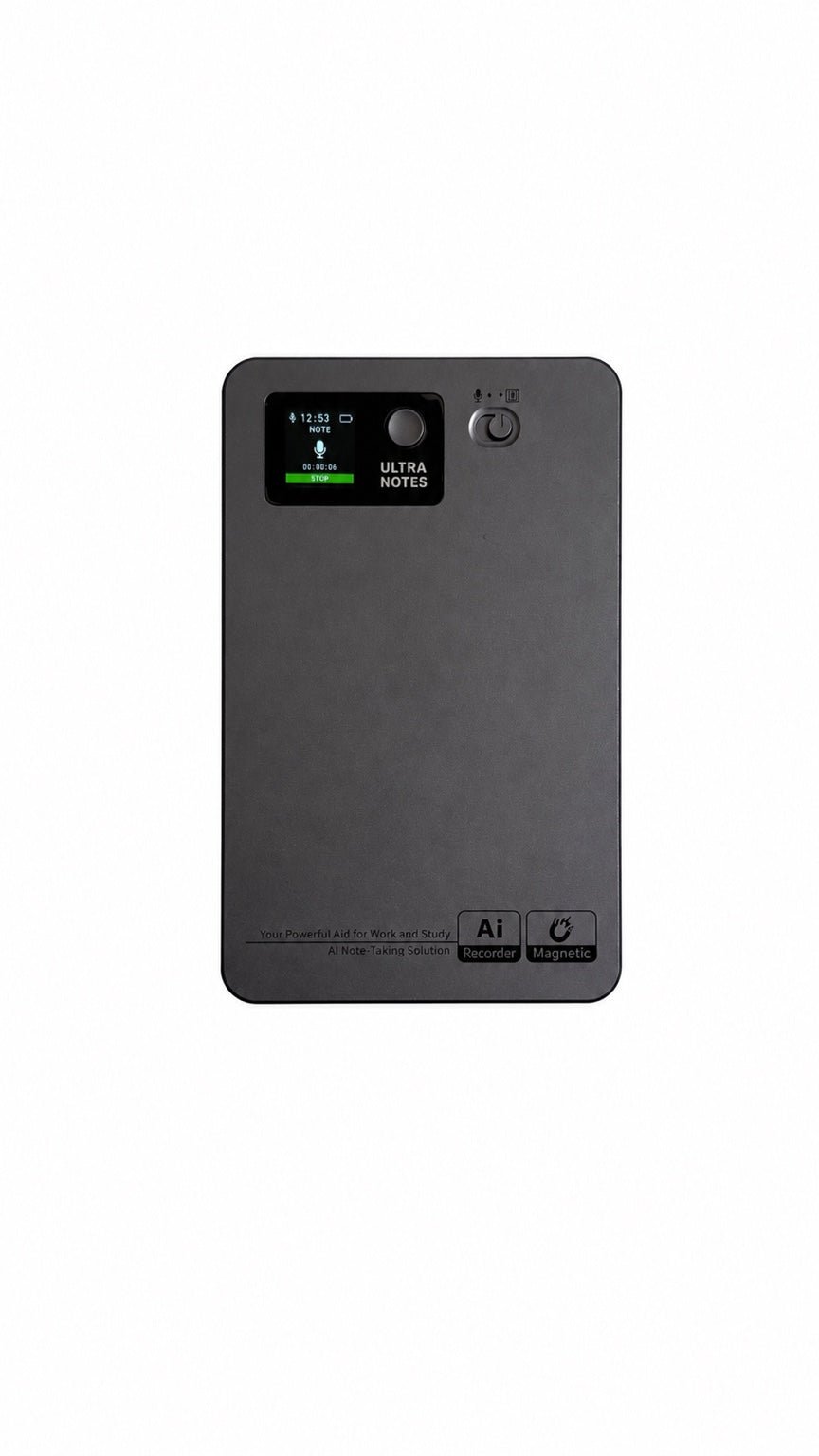
Review NERALVO Halo against these controls provides NOTE recording, supported CALL capture, 64GB local storage, up to 35 hours of recording and Bluetooth sync with DOWAY.
DOWAY can create transcripts, summaries, speaker-separated notes, templates, translations, mind maps and exports. One year of DOWAY Max is included from activation.
CALL compatibility varies by phone, operating system and call setup. Halo and DOWAY do not determine the lawful basis, marketing permissions, sector obligations or retention schedule.
Pre-recording checklist
- Is the purpose specific and necessary?
- Has the lawful basis and any PECR or sector rule been documented?
- Has worker monitoring been assessed where relevant?
- Will sensitive call sections be excluded or specially protected?
- Is the privacy notice clear and delivered at the right time?
- Has the full device, app and processor chain been assessed?
- Are compatibility and failure modes tested?
- Are access and security organisation-controlled?
- Is transcript verification assigned?
- Are rights, retention and deletion operational?
A defensible phone-recording programme begins before the call and continues after the transcript. The organisation must govern the purpose, people, technology and complete data lifecycle.
Workflow choice matrix for AI Phone Call Recording
Apply the strongest control before choosing a device. The table makes the non-hardware options explicit.
| Condition | Preferred route | Why |
|---|---|---|
| High-risk or mixed work | Governed hybrid | Separate capture, review, approval and retention rather than trusting one tool. |
| Recording is refused, prohibited or unnecessary | Manual notes / no recording | Respecting the boundary is the correct workflow, not a product failure. |
| In-person, mobile or unreliable-connectivity work | Dedicated recorder | Independent capture and a recoverable local source are usually more resilient. |
| Repeatable remote work with approved integrations | Cloud software | Automation and central collaboration may outweigh device independence. |
Related operational guides
For practical downstream workflows, see client-call follow-up notes, sales-call summaries and AI meeting minutes.
Related guides
Governance control flow
Visual map for AI Phone Call Recording: UK Compliance Checklist Before You Record
- Confirm purpose and authorityCheck law, policy, participant information and an approved alternative.
- Minimise captureRecord only what the stated purpose requires.
- Verify and restrict accessHuman-check material details and protect raw audio and transcripts.
- Retain or delete deliberatelyApply the matter, policy or statutory retention rule.
On this page
Related guides
Check permission, retention and access before choosing hardware
Once the policy requirements in this guide are satisfied, compare Halo’s specifications, local storage, included services and current offer against your approved workflow.
Found an error or an out-of-date claim? Email support@neralvo.com with the article address and a supporting source.