The 60-second verdict
Quick answer: agronomists can use an AI voice recorder to capture approved crop-walk observations, grower discussions and follow-up actions, but the audio should support—not replace—field measurements, photographs, laboratory results, product labels and professional judgement.
Best fit: Agronomists who need recoverable audio and human-verified notes in an authorised workflow. Use another method when: recording is prohibited, a participant declines or the approved process requires manual notes.
Evidence basis and limits
- Decision factors covered: Use a field → crop → evidence → action workflow; Create a location anchor; Separate observation from diagnosis.
- Evidence rule: Claims are weighted by consequence: capture failure, changed meaning, access and recovery matter more than polished wording.
- Boundary: Examples and workflow recommendations must be tested with representative recordings, the intended users and the actual approval process before rollout.
Check whether NERALVO Halo fits agronomists work can help preserve location-specific detail while the agronomist remains responsible for safe fieldwork, accurate identification, current regulation and the final recommendation.
Use a field → crop → evidence → action workflow
- Field: holding, field identifier, date, growth stage and conditions.
- Crop: variety, establishment, density and recent operations.
- Evidence: direct observation, sample, image, measurement or laboratory result.
- Interpretation: likely cause, alternatives and confidence.
- Action: further test, monitoring, cultural control, product decision or referral.
- Review: owner, timing and evidence required.
Create a location anchor
Start each note with the field, zone, headland, tramline or map reference. State the approximate area and pattern. Repeat the anchor after moving. This prevents observations from being attached to the wrong field.
Separate observation from diagnosis
- Observed: colour, lesion, pest, weed, distribution or crop response.
- Reported: grower account of timing, operation or input.
- Measured: count, moisture, pH, nutrient result or other value.
- Possible explanation: disease, deficiency, damage or environmental cause.
- Confirmed: supported by suitable evidence.
Do not let AI convert a possible cause into a confirmed diagnosis.
Link every observation to evidence
Read photograph, sample and laboratory references aloud. Check crop stage, weather, spray history, seed treatment, cultivation, previous crop and pattern across the field. A single image or voice description may not establish the cause.
Verify product and regulatory detail
Before making or recording an input recommendation, check the current authorised product label, crop, target, rate, timing, maximum applications, buffer zone, operator protection, resistance guidance and harvest or grazing interval where applicable.
AI must not invent a product authorisation or safe rate.
Prioritise safe fieldwork
Do not operate the recorder while driving machinery, crossing active routes, handling chemicals, entering unsafe crops or working around livestock and moving equipment. Create the detailed note from a safe position.
Use an integrated action ladder
- Confirm the problem and threshold.
- Consider cultural and preventative controls.
- Assess biological and mechanical options.
- Use chemical control only where justified and authorised.
- Record resistance and environmental considerations.
- Define monitoring and review.
How NERALVO Halo may fit agronomy work
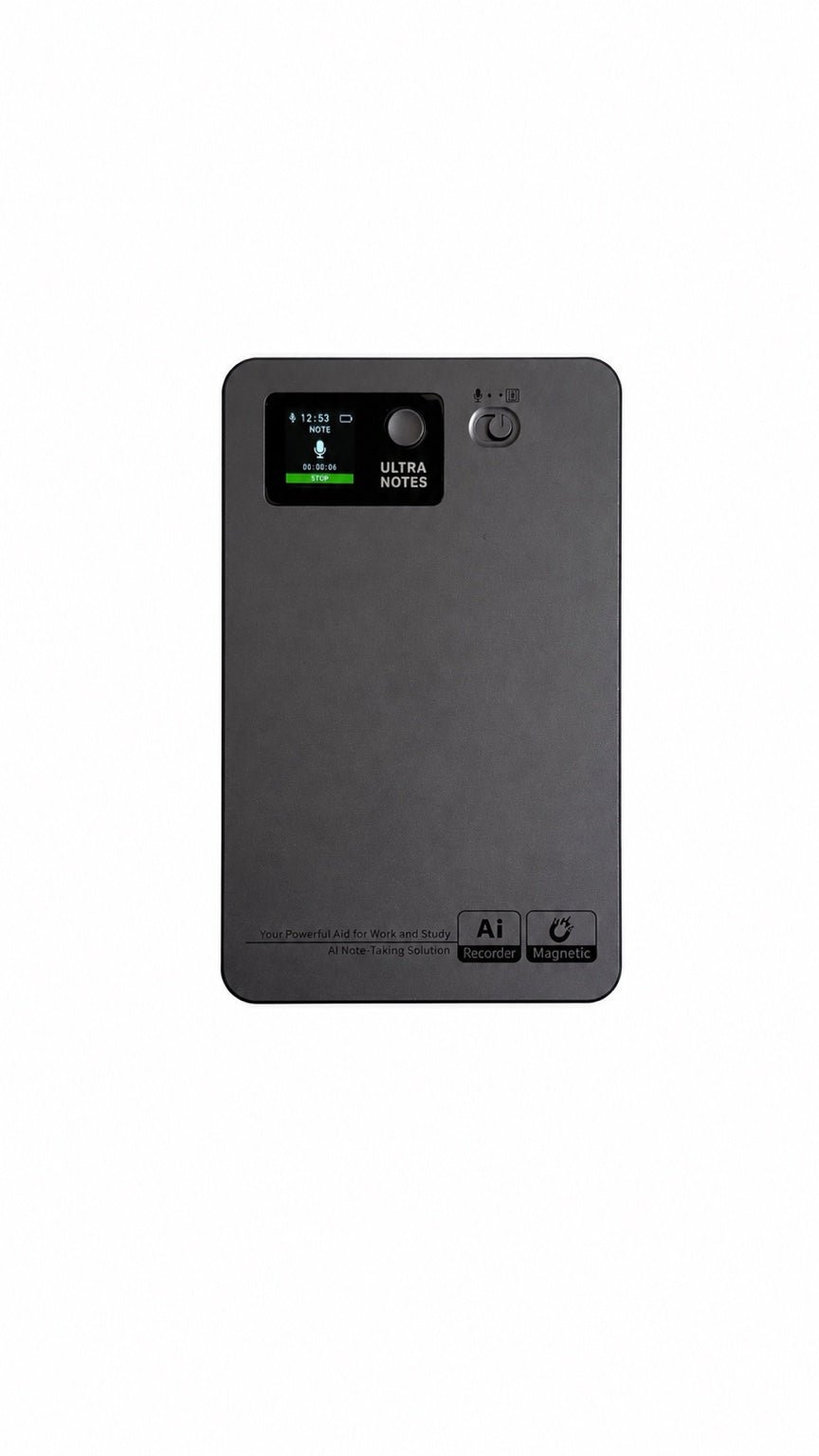
NERALVO Halo offers NOTE recording, 64GB local storage, up to 35 hours of recording and Bluetooth sync with DOWAY. Its portability can support field notes where connectivity is poor, followed by controlled later processing.
Final crop-walk checklist
- Field and zone identified
- Crop and growth stage correct
- Observation separated from interpretation
- Photos, samples and measurements linked
- Alternative causes retained
- Product and legal details checked
- Safe fieldworking maintained
- Action, owner and review date assigned
Bottom line: a reliable agronomy note connects a precise field observation to checked evidence and a legally verified, proportionate action.
Crop-walk evidence and recommendation toolkit
| Evidence field | Required detail |
|---|---|
| Location | Farm, field, zone and representative route |
| Crop state | Crop, variety, growth stage and condition |
| Pattern | Distribution, severity, affected area and edge effects |
| Context | Weather, soil, rotation, inputs and recent operations |
| Evidence | Photograph, count, sample, trap or laboratory reference |
| Status | Monitor, investigate, confirmed issue or action proposed |
Sampling control
Record field zone, collection method, number of samples, crop stage, symptom pattern, storage, label and chain to the laboratory or adviser. A technically correct result from an unrepresentative or incorrectly labelled sample can still lead to the wrong decision.
Recommendation card
State the field objective, issue confidence, threshold or decision basis, non-chemical options, proposed timing, weather constraint, product details requiring current verification, environmental safeguards, grower decision and review measure.
Grower constraints
Keep labour, machinery, contractor, stock and weather constraints separate from the agronomic conclusion. If the practical plan is a compromise, record it as a compromise rather than presenting it as the preferred recommendation.
NERALVO Halo workflow
Use short zone-specific notes from a safe position and say every map, sample and photograph reference aloud. Sync later through the approved DOWAY account, then verify the recommendation against current labels, evidence and formal farm records.
Cloud software, a dedicated recorder or manual notes?
For Agronomists, the right answer changes with the setting. This matrix deliberately gives each method a situation where it can be the strongest choice.
| Situation | Best starting point | Reason |
|---|---|---|
| scheduled remote meetings | Cloud meeting software | Calendar automation and shared integrations are usually the strongest advantage. |
| in-person or mobile work | Dedicated recorder | Independent capture reduces reliance on an active phone or laptop. |
| recording is refused or prohibited | Manual notes or an approved alternative | The boundary takes priority over convenience. |
| mixed online and offline work | Governed hybrid | Use each method only in the setting it actually fits. |
Related AI voice recorder guides
Profession workflow
Visual map for AI Voice Recorder for Agronomists: Crop Walks, Grower Meetings and Recommendation Notes
- Prepare the approved useDefine purpose, safe position, permission and the required formal record.
- Capture context firstState the case, asset, person, location or event identifier before detail.
- Human-verify evidenceCheck technical terms, units, names, dates, decisions and uncertainty.
- Complete the formal recordTransfer only verified information and apply access and retention controls.
On this page
Related guides
See whether Halo fits this workflow
Review the NERALVO Halo specifications, included services, delivery information and current offer only after completing the guide.
Found an error or an out-of-date claim? Email support@neralvo.com with the article address and a supporting source.