The 60-second verdict
Archaeological recording depends on context, sequence and provenance. An AI voice recorder can speed up field dictation and end-of-day site diaries, but no spoken note should replace the project’s required context sheets, drawings, registers or finds procedures.
Best fit: Archaeologists who need recoverable audio and human-verified notes in an authorised workflow. Use another method when: recording is prohibited, a participant declines or the approved process requires manual notes.
Evidence basis and limits
- Decision factors covered: Begin every note with the context; Describe before interpreting; Context-note structure.
- Evidence rule: A claim earns weight only when the source, date, configuration and limitation are clear enough for a reader to check.
- Boundary: Examples and workflow recommendations must be tested with representative recordings, the intended users and the actual approval process before rollout.
Begin every note with the context
Use a fixed opening: site → area/trench → context number → date/time → recorder → purpose.
This prevents a clear observation from becoming unusable because it cannot be tied to the correct unit.
Describe before interpreting
- context type
- shape and dimensions
- colour and composition
- inclusions
- boundaries
- relationships
- finds
- samples
- photograph and drawing references
Then state the provisional interpretation and confidence separately. AI summaries often compress description and interpretation into one sentence.
Context-note structure
| Section | Example content |
|---|---|
| Identification | Site, trench and context |
| Description | Physical characteristics observed |
| Relationships | Above, below, cuts, fills or abuts |
| Evidence | Photo, plan, section, sample and find numbers |
| Interpretation | Provisional understanding |
| Confidence | High, moderate, low or to review |
| Action | Further excavation, drawing, sampling or specialist input |
Finds need exact identifiers
Repeat small-find, bag, sample and context numbers clearly. Check the transcript against the written register before using it.
Stratigraphic discussion
Team discussions can be useful to record for later review, but the final matrix and interpretation must be based on recorded relationships and the project method. Preserve disagreement rather than allowing AI to produce one confident narrative.
End-of-day site diary
- areas worked
- contexts opened or completed
- key relationships
- finds and samples
- photography and drawing status
- weather and site conditions
- visitors and specialist input
- problems or safety issues
- priorities for the next day
Post-fieldwork workflow
- Confirm the voice file and required written records.
- Rename by site, area and date.
- Generate a transcript.
- Extract context-numbered entries.
- Verify finds, samples, drawings and photos.
- Separate description from interpretation.
- Update the formal site record.
- Retain the audio only according to project requirements.
Where NERALVO Halo fits
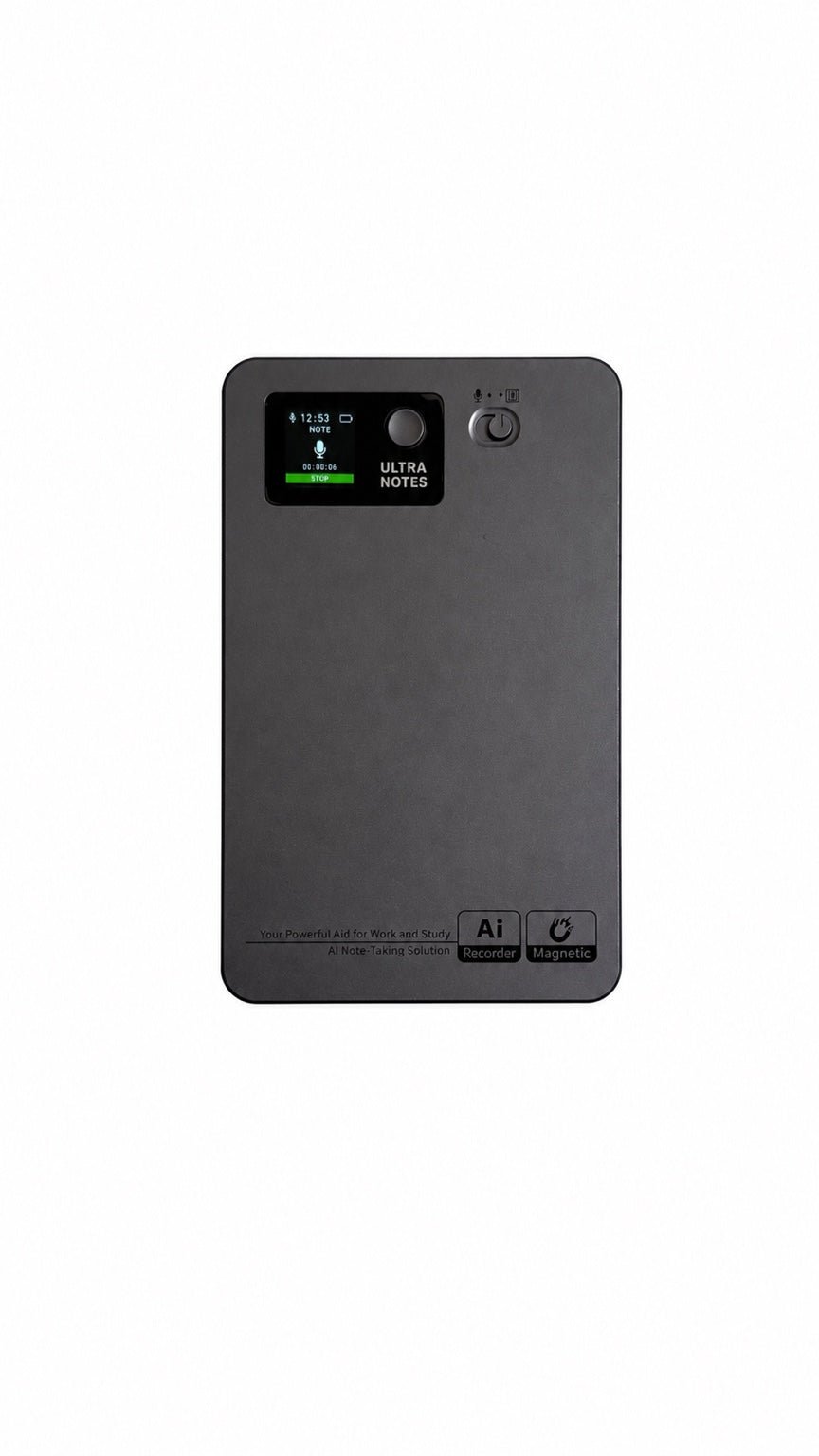
Assess Halo against the archaeologists workflow matrix can support context dictation, team debriefs and site-diary drafting. Its current specification includes 64GB local storage, NOTE and CALL modes, up to 35 hours of recording and Bluetooth transfer to DOWAY.
Archaeological-note quality check
- Is every note tied to a site, area and context?
- Are identifiers verified?
- Are description and interpretation separated?
- Are relationships recorded clearly?
- Are finds, samples, photos and drawings linked?
- Is uncertainty preserved?
For archaeologists, an AI recorder is useful when it accelerates context-linked field notes and site diaries. The formal record still depends on verified identifiers, stratigraphic relationships and required documentation.
Cloud software, a dedicated recorder or manual notes?
For Archaeologists, the right answer changes with the setting. This matrix deliberately gives each method a situation where it can be the strongest choice.
| Situation | Best starting point | Reason |
|---|---|---|
| scheduled remote meetings | Cloud meeting software | Auto-join and central collaboration can remove routine admin. |
| in-person or mobile work | Dedicated recorder | Dedicated hardware suits movement, variable rooms and offline source capture. |
| recording is refused or prohibited | Manual notes or an approved alternative | A clear alternative respects policy and participant choice. |
| mixed online and offline work | Governed hybrid | One governed process prevents gaps between desk and field work. |
Related AI voice recorder guides
Profession workflow
Visual map for AI Voice Recorder for Archaeologists: Better Context Notes and Site Diaries
- Prepare the approved useDefine purpose, safe position, permission and the required formal record.
- Capture context firstState the case, asset, person, location or event identifier before detail.
- Human-verify evidenceCheck technical terms, units, names, dates, decisions and uncertainty.
- Complete the formal recordTransfer only verified information and apply access and retention controls.
On this page
Related guides
See whether Halo fits this workflow
Review the NERALVO Halo specifications, included services, delivery information and current offer only after completing the guide.
Found an error or an out-of-date claim? Email support@neralvo.com with the article address and a supporting source.