The 60-second verdict
A valuation visit may begin with a single object and end with a room full of possible lots. The seller recalls where an item came from, a label suggests an attribution, condition issues appear under better light and confidential instructions are discussed between stories about the family.
Best fit: Auctioneers who need recoverable audio and human-verified notes in an authorised workflow. Use another method when: recording is prohibited, a participant declines or the approved process requires manual notes.
Evidence basis and limits
- Decision factors covered: Give each object a temporary lot identity immediately; Build the lot dossier in five evidence layers; Use a provenance claim ladder.
- Evidence rule: Claims are weighted by consequence: capture failure, changed meaning, access and recovery matter more than polished wording.
- Boundary: Examples and workflow recommendations must be tested with representative recordings, the intended users and the actual approval process before rollout.
An AI voice recorder for auctioneers can preserve that information while the specialist examines the object. The useful output is not a general summary of the visit. It is a lot dossier that separates seller account, direct observation, documentary evidence, specialist opinion and instructions that must remain confidential.
Give each object a temporary lot identity immediately
Before discussing an item in detail, assign a temporary reference. State it aloud and place the same reference beside the object or in the photographic workflow.
A practical spoken header may include:
- visit or consignment reference
- temporary lot number
- room or collection group
- object type
- seller or source reference
- photograph sequence
This prevents descriptions, measurements and family stories from being attached to the wrong item when several similar objects are present.
Build the lot dossier in five evidence layers
| Layer | What it contains |
|---|---|
| Direct observation | Materials, dimensions, marks, labels, visible condition and construction |
| Seller account | Family history, ownership story, purchase recollection and prior location |
| Documents seen | Receipts, letters, catalogues, photographs, certificates and inventories |
| Specialist assessment | Attribution, dating, market context and research questions |
| Instruction | Consignment status, reserve discussion, timing, exclusions and contact authority |
AI summaries often merge these layers. The final dossier must preserve the source of every material claim.
Use a provenance claim ladder
Provenance is particularly vulnerable to accidental overstatement. Apply a visible status:
- Seller recollection: remembered family account without supporting documents.
- Attributed family history: account linked to a named person or event.
- Documentary lead: a document may support the claim but still needs checking.
- Partially verified: some ownership stages are evidenced and others remain unclear.
- Verified for catalogue use: evidence has been reviewed to the auction house’s standard.
- Not suitable for publication: claim is too uncertain, private or unsupported.
A polished transcript should never move a statement up this ladder by itself.
Condition notes should describe, not diagnose
Record the exact area and visible issue before offering an explanation. For example:
“Temporary lot 18, lower right corner of frame: open joint approximately four millimetres; surface abrasion on adjacent gilt; cause and structural effect not assessed.”
A useful condition note includes:
- location on the object
- visible condition
- extent or measurement where appropriate
- photograph reference
- previous repair or alteration visible
- access or handling limitation
- specialist examination required
Do not let an AI system convert “possible later repair” into “restored” or “original”.
Names, makers and marks need a verification list
Uncommon surnames, artists, workshops, place names and marks are frequent transcription failures. Spell them aloud where possible, photograph the source and create a post-visit verification list.
Check:
- maker and artist names
- inscriptions and dates
- foundry, publisher or manufacturer marks
- locations and estates
- previous auction houses and sale dates
- book, exhibition or catalogue references
The transcript can make the terms searchable. The object and source documents remain authoritative.
Separate valuation thinking from the published estimate
During a visit, a specialist may discuss a broad range, comparable sales, condition risk and market uncertainty. That exploratory reasoning should not automatically become the public estimate.
Capture:
- working market category
- comparable evidence to research
- factors increasing or reducing confidence
- condition and provenance dependencies
- seller expectation
- internal valuation range
- approval required before publication
Final estimates and catalogue wording should follow the auction house’s normal specialist and commercial review.
Protect reserve and seller instructions
A valuation transcript may include reserve preferences, financial pressure, family disagreement, contact details and ownership documents. These details should not appear in a widely shared lot description or general team transcript.
Keep confidential instructions in a restricted field:
- authorised seller or decision maker
- consignment status
- reserve status and approval
- items excluded from sale
- collection or transport constraints
- payment and ownership evidence outstanding
- communication restrictions
From visit audio to catalogue-ready workflow
- Explain recording and obtain any required agreement.
- Assign temporary references before discussing each object.
- Photograph marks, labels, condition and documents.
- Use evidence-layer labels while dictating.
- Generate the transcript after the visit.
- Create one lot dossier per temporary reference.
- Verify names, dimensions, claims and source documents.
- Separate confidential seller instructions from catalogue research.
- Draft catalogue text using only approved claims.
- Apply the auction house’s review, reserve and consignment controls.
The catalogue description is not the transcript
The published lot text should be concise, relevant and supportable. Remove repetition, private family material and speculative statements. Preserve qualifications that materially affect meaning, including attribution language and uncertainty.
Where a story adds value but cannot be verified fully, decide deliberately whether it can be included as an attributed account rather than presenting it as fact.
How NERALVO Halo may support valuation work
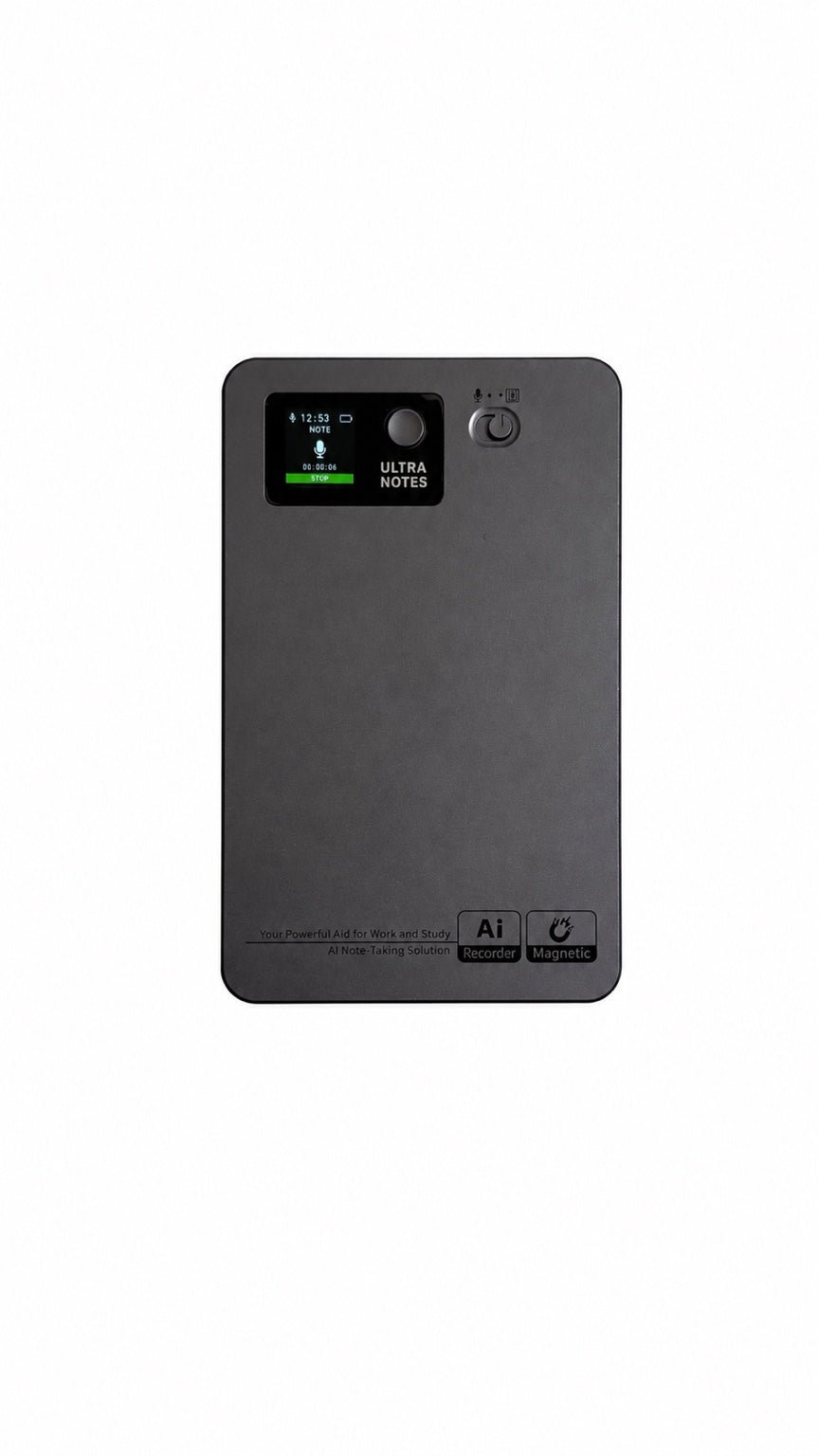
Check whether NERALVO Halo fits auctioneers work provides portable NOTE recording, 64GB local storage and DOWAY transcription and structured-note tools. It may help specialists preserve object descriptions, seller accounts and research leads without stopping repeatedly to type.
Test the workflow with maker names, dimensions and multi-object visits. Use a naming system that connects audio, images and temporary lot references. For deeper provenance interviewing, the related museum curator guide provides a collections-focused evidence method.
Lot-dossier review
- Can every observation be matched to the correct object?
- Are seller accounts attributed?
- Are provenance claims given an evidence status?
- Are dimensions, marks and names checked?
- Is condition described precisely and cautiously?
- Are confidential instructions separated?
- Has the final catalogue wording received specialist approval?
An AI voice recorder can help auctioneers retain the richness of a valuation visit. Commercial trust depends on what happens next: correct object matching, careful evidence labels, confidential instruction handling and catalogue claims the auction house is prepared to support.
Cloud software, a dedicated recorder or manual notes?
For Auctioneers, the right answer changes with the setting. This matrix deliberately gives each method a situation where it can be the strongest choice.
| Situation | Best starting point | Reason |
|---|---|---|
| scheduled remote meetings | Cloud meeting software | Calendar automation and shared integrations are usually the strongest advantage. |
| in-person or mobile work | Dedicated recorder | Independent capture reduces reliance on an active phone or laptop. |
| recording is refused or prohibited | Manual notes or an approved alternative | The boundary takes priority over convenience. |
| mixed online and offline work | Governed hybrid | Use each method only in the setting it actually fits. |
Related guides
Profession workflow
Visual map for AI Voice Recorder for Auctioneers: Better Lot Notes, Provenance and Seller Instructions
- Prepare the approved useDefine purpose, safe position, permission and the required formal record.
- Capture context firstState the case, asset, person, location or event identifier before detail.
- Human-verify evidenceCheck technical terms, units, names, dates, decisions and uncertainty.
- Complete the formal recordTransfer only verified information and apply access and retention controls.
On this page
More in this topic: Property, inspections and investigations
Show 7 closely related guides
- AI Voice Recorder for Fire Investigators: Stronger Scene Notes, Interviews and Evidence
- AI Voice Recorder for Building Control Inspectors: Better Site Evidence and Clearer Decisions
- AI Voice Recorder for Domestic Energy Assessors: Better Survey Evidence and Data Provenance
- AI Voice Recorder for Property Developers: Better Decision Logs and Project Handover
- AI Voice Recorder for Private Investigators: Better Interviews, Chronologies and Evidence Control
- AI Voice Recorder for Fire Risk Assessors: Better Evidence, Actions and Review
- AI Voice Recorder for Loss Adjusters: Better Site Evidence and Damage Notes
Related guides
See whether Halo fits this workflow
Review the NERALVO Halo specifications, included services, delivery information and current offer only after completing the guide.
Found an error or an out-of-date claim? Email support@neralvo.com with the article address and a supporting source.